Ways to Help Prevent the Toilet From Clogging
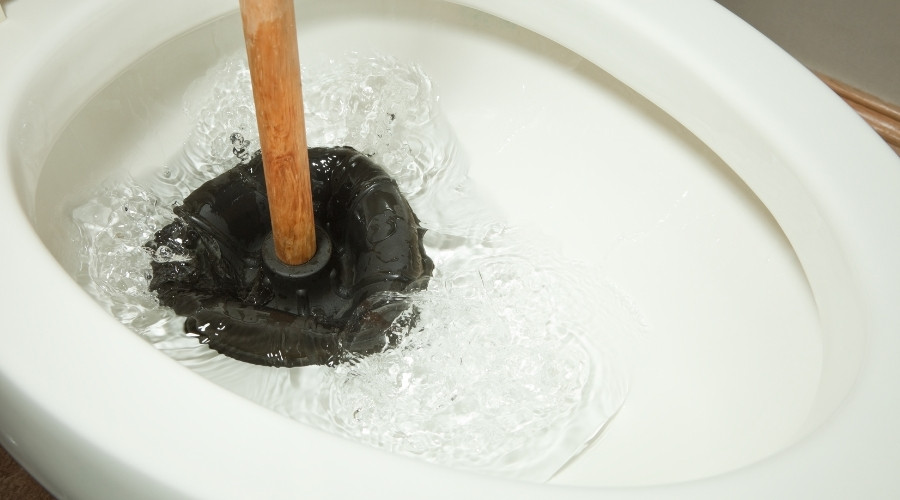
Few situations derail a day faster than a clogged toilet and rising water in the bowl. The good news: consistent habits and simple precautions dramatically lower the odds of a toilet clog. This overview highlights what should and should not be flushed, practical ways to moderate toilet paper use, and how issues in the main sewer line can trigger recurring blockages. It also notes when drain cleaning becomes the right next step for restoring flow and preventing future problems.
Be Careful About What Gets Flushed
 A toilet is not designed to handle general trash, and keeping non‑flushable items out of the bowl is the most effective way to prevent a clogged toilet. Only human waste and toilet paper belong in the drain path. Many common bathroom products appear harmless, but do not break down quickly and can lodge in bends, trapways, and older fittings.
Paper towels and facial tissues are engineered to stay strong when wet and therefore do not dissolve like toilet paper. Items such as wipes (including those labeled “flushable”), cotton swabs, dental floss, and feminine hygiene products tend to bind together and create dense plugs. Once these materials catch on rough surfaces or joints, additional debris collects and a stubborn toilet clog can form. Over time, this buildup can move beyond the fixture and contribute to obstructions deeper in sewer pipes.
Keeping a small waste bin near the toilet helps direct these items to proper disposal. In homes with frequent guests or children, a simple reminder about what belongs in the trash reduces accidental flushing of problem materials. If blockages become repetitive despite good habits, inspection and drain cleaning can determine whether scale, roots, or other obstructions in the downstream sewer line are adding to the issue.
Use Less Toilet Paper
 Toilet paper is necessary, but excess use often tips a system into trouble. Large wads absorb water, expand, and can lodge in the trap or the first several feet of piping. Folding paper into a flat pad rather than wadding reduces bulk and allows smoother travel through the drain path. When more paper is required, breaking the volume into smaller portions with an extra flush can help prevent an immediate clog.
Product selection matters as well. Ultra‑thick or highly quilted toilet paper typically breaks down more slowly than quick‑dissolving options, which can increase the likelihood of a toilet clog in low‑flow fixtures or older piping. Moderating usage and choosing paper designed for rapid breakdown both support reliable performance. Where feasible, a waste bin can capture excess paper or non‑sewage items that would otherwise strain the drain.
If slow clears, recurring partial blockages, or frequent plunging become a pattern, those symptoms may indicate a restriction beyond the toilet. Buildup in the line, minor intrusions, or early signs of a clogged sewer line can cause even modest amounts of paper to hang up. In such cases, professional drain cleaning can restore interior pipe conditions and reduce the odds of repeat incidents.
Prevent Sewer Line Clogs
Sometimes the fixture is not the source of the trouble—a sewer line clog can cause backups across multiple drains regardless of careful flushing habits. When the main path is obstructed, wastewater follows the path of least resistance and may return through lower‑level tubs, showers, or floor drains. This type of whole‑home symptom often points to a clogged sewer line rather than an isolated fixture issue.
Common contributors include tree roots seeking moisture, accumulated grease and wipes, foreign objects, and aging sewer pipes with rough or offset joints that catch solids. Preventive measures focus on smart use and periodic evaluation: keeping grease out of sinks, disposing of wipes and hygiene products in the trash, and being cautious with landscaping near buried lines all reduce risk. Where mature trees or older materials are present, an occasional assessment of the sewer line can spot early warning signs of a developing sewer line clog before a full backup occurs.
When multiple fixtures back up or gurgle, professional diagnostics are recommended. A technician can confirm the location and cause of the obstruction and choose the appropriate method—ranging from augering to hydro jetting—to clear the line effectively. If video inspection reveals structural concerns, targeted sewer line repair or partial replacement may be advised to prevent recurring problems. Restoring full capacity in the sewer line supports reliable operation of all fixtures and reduces the chance that a single flush will trigger a new toilet clog.
Call Daniels Plumbing, Heating and Air Conditioning, LLC
Daniels Plumbing, Heating and Air Conditioning, LLC is a top-rated plumbing and HVAC company serving Albuquerque and the surrounding areas. They offer upfront pricing, expert workmanship, and a 100% customer satisfaction guarantee. Call them today for sewer line repair and replacement services in Albuquerque, NM.